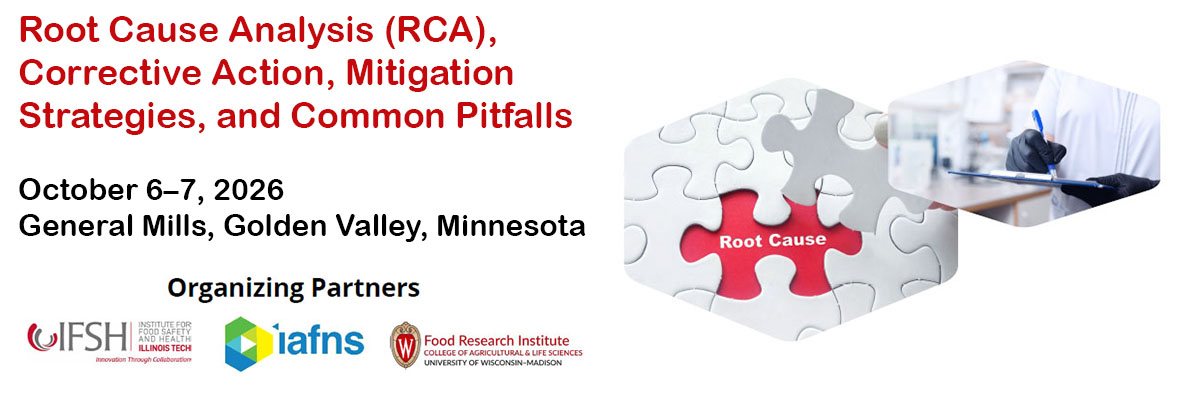
Join FRI, the Institute for Food Safety and Health, and the Institute for the Advancement of Food and Nutrition Sciences as we host a two-day, industry-focused conference, “Root Cause Analysis (RCA), Corrective Action, Mitigation Strategies, and Common Pitfalls,” on Oct. 6–7 at General Mills in Golden Valley, Minn. Registration is now open through Sept. 18.
|
|
|
|
FRI’s FRESH seminar series begins again this month! Sign up to attend these free seminars at the links below.
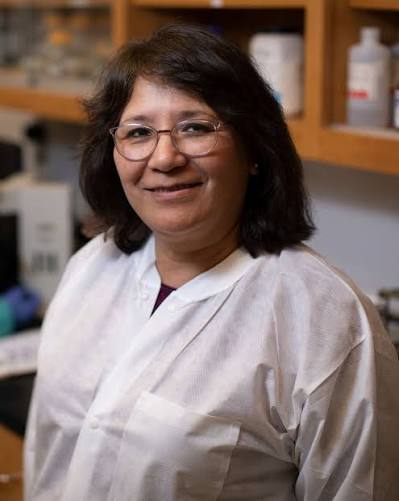
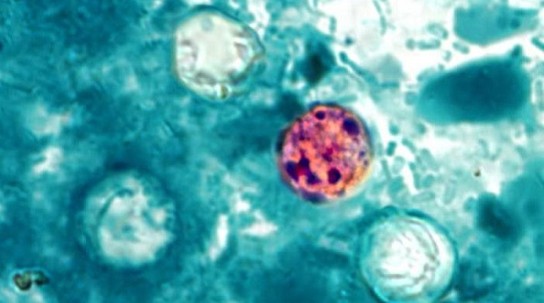
- Ynes Ortega (University of Georgia) will present “The physiology of Cyclospora and its impact on persistence in the environment and foods” at 11 a.m. CT on Sept. 22.
|
|
|
|
- Andrew Maust (University of Arkansas) will discuss “Demystifying the buzz around non-alcoholic beer: Exploring the pathogenic, spoilage, and regulatory risks around this emerging beverage class” at 10:30 a.m. CT on Oct. 13.
|
|
|
|
|
|
Read here about the unusual concentration of fungal experts at the University of Wisconsin-Madison that constitute the Fungal Biology Supergroup. FRI executive committee member
Nancy Keller founded the group 27 years ago to bring together dozens of researchers from across the university who study diverse aspects of fungal biology, from food to medicine to botany to agriculture and pharmacy. FRI executive committee Jae-Hyuk Yu is also a member of the supergroup.
|
|
|
|
A link between the gut microbiome and Alzheimer’s disease (AD) has been suspected for some time but is not well understood. New research published by co-corresponding author and FRI affiliate member Federico Rey elucidates a possible mechanism for how the microbiome contributes to the pathology of AD (and a potential therapeutic target): the bacterial
metabolite imidazole propionate. Read more here or in WIRED Magazine.
|
|
|
|
FRI executive committee member Jeff Sindelar is quoted in a recent article from Wisconsin Public Radio about the possible impact of new executive orders for the USDA to modernize the federal meat inspection process and the importance of not compromising meat safety with possible changes.
|
|
|
|
Although the massive Cyclospora outbreak linked to iceberg lettuce from Taylor Farms was declared over on Sept. 11, three Cyclospora cayetanensis outbreak(s) in the U.S. remain ongoing:
- The final official case count for the Taylor Farms iceberg lettuce-associated outbreak is 11,458, with 495 hospitalizations and two deaths, as confirmed by CDC/FDA.
|
|
|
|
- FDA is continuing to investigate this outbreak.
- The three ongoing Cyclospora outbreaks, which were first posted between July 8 and Aug. 5 and together have sickened at least 291 people, have not yet been linked to specific foods.
- CDC’s count of all U.S. confirmed domestically acquired Cyclospora
cases since May 1 is now 18,445. For comparison, the total count for this same period in 2025 was 1,180.
|
|
|
|
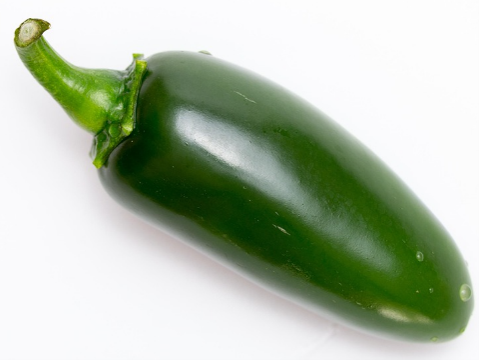
The ongoing outbreak of Salmonella Javiana outbreak associated with jalapenos (also for Taylor Farms) has now sickened 431 people in 27 states, with 57 hospitalizations but no deaths. FDA is continuing its investigation.
|
|
|
|
In the last month, four new U.S. outbreaks, all at least in part associated with Salmonella, have been reported by FDA.
- A Salmonella I 4,[5],12:i:- outbreak, not yet associated with a food product, has sickened at least 43 people.
|
|
|
|
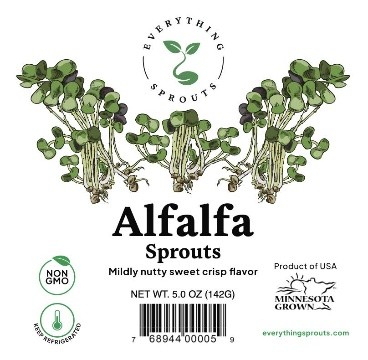
- An outbreak with multiple Shiga toxin-producing E. coli strains as well as Salmonella Agona has been associated with alfalfa sprouts
marketed by Everything Sprouts, LLC, of Minneapolis, Minn. At least 55 illnesses and four hospitalizations have been reported. Alfalfa sprouts as well as other sprouts mixes have been voluntarily recalled by this company, which distributes to wholesalers and retailers in Minnesota and Wisconsin. However, while most of those sickened are in Minnesota and Wisconsin, numerous cases in 13 additional states have been reported, suggesting another outbreak source. As a result, FDA is investigating the supplier of the alfalfa seeds used by Everything Sprouts and other companies who purchased alfalfa seeds from that supplier.
|
|
|
|
- A separate sprout-related outbreak, this one associated with Salmonella Bovismorbificans and linked to broccoli sprouts grown by Evergreen Fresh Sprouts, LLC, has sickened 22 people in Washington, Montana, Idaho, and Utah. Two hospitalizations but no deaths have been reported.
- A Salmonella Newport outbreak has sickened at least 109 people, with no further details yet available.
|
|
|
|
|
|
Government & Regulatory News
|
|
|
|
Almost a year ago, FDA proposed to extend the compliance date for the final rule on food traceability by 30 months (from Jan. 20, 2026, to July 20, 2028). In the wake of the massive 2026 Cyclospora outbreak, however, some have argued
that having the rule in place as originally planned would have greatly reduced the outbreak’s impact. These parties are urging FDA to reconsider the compliance delay (despite a congressional directive to FDA
to not enforce the Food Traceability Rule before July 20, 2028, and FDA’s stated intention to comply with this directive).
|
|
|
|
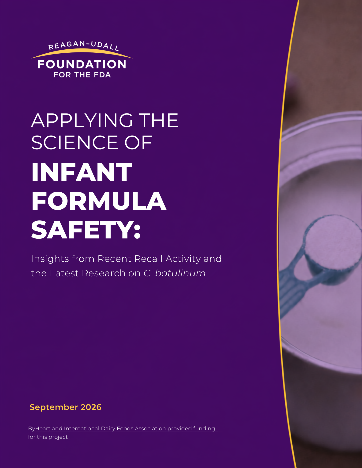
FDA’s Reagan-Udall Foundation report, “Applying the science of infant formula safety: Insights from recent recall activity and the latest research on C. botulinum,” was published earlier this month and is available here. The report presents recommendations to enhance infant formula safety.
|
|
|
|
Sanitation in low-moisture food facilities relies on “dry” sanitizers; however, some dry sanitizers may still introduce moisture (and thereby pathogen growth concerns) into such food facilities. You can learn more in this article from Cornell University dry sanitation experts.
|
|
|
|
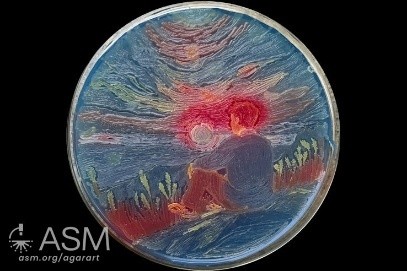
The 2026 American Society for Microbiology Agar Art Contest is looking for participants to create an agar art postcard inspired by a place they love, capturing both the visible features that make it special and the invisible microbial communities that help shape it. Submissions will be accepted through Oct. 21 at 11:59 p.m. ET.
|
|
|
|
A review of microbiological risks (safety and spoilage) covering a wide variety of sauces and dressings was recently published. The report (co-authored by this month’s FRESH speaker Ynes Ortega of the University of Georgia) covers a variety of hazards (including toxins and parasites
) and discusses the need for proper process controls and strict hygiene to ensure the safety of these products.
|
|
|
|
Does climate change impact food allergy? A new review article discusses various ways that climate change could influence food allergy, including altering the expression of allergenic proteins in response to environmental changes (increased CO2 levels, soil temperatures, drought, etc.), changes in pollen exposure
(increased or prolonged exposure to pollen, including exposure to certain tree pollens that trigger cross-reactivity to foods), factors related to individual susceptibility to food allergy, changes in microbial and dietary diversity, and movement towards plant-based diets.
|
|
|
|
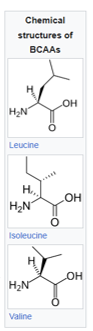
The presence of branched chain amino acids (BCAAs) such as leucine, isoleucine, and valine in foods have been shown to regulate the virulence of foodborne bacterial pathogens (including L. monocytogenes, S. aureus, E. coli, C. perfringens,
and others) by affecting host colonization, toxin synthesis, sporulation, transcriptional regulation of virulence genes, and/or biofilm formation. A new review presents current knowledge related to how BCAAs bring about changes in bacterial virulence and possible ways this knowledge might be used to better control foodborne pathogens in foods during processing and storage.
|
|
|
|
|
|
UW–Madison and Wisconsin News
|
|
|
|
Wisconsin Association of Food Protection is offering a Pasteurizer Operators training course and certification on Sept. 30 in La Crosse, Wisc.
|
|
|
|
Registration is now open for the Wisconsin Association of Food Protection’s fall meeting, Oct. 5–6. The event will include a guided tour of Kohler Woodlake Market, Greenhouse, and Chocolate Facility, a networking dinner, and special sessions on C. botulism in dry products (featuring FRI’s Kristin Schill),
radiological hazards, and more at Lakeland University in Sheboygan, Wisc.
|
|
|
|
Dairy manufacturers, processors, and suppliers are invited to sign up now for the next hybrid meeting of the Dairy Food Safety Alliance (a partnership between the Center for Dairy Research and the Wisconsin Cheese Makers Association) on Thursday, Oct. 29, from 10 a.m.–2 p.m. CT. The in-person option will be held in Madison, Wisc.
|
|
|
|
Upcoming training opportunities on the UW-Madison campus include the following:
|
|
|
|
Did this email land in your Spam folder? Add NoReply@explore.wisc.edu to your Contacts/Safe Senders List to help all FRI emails make it to your Inbox.
|
|
|
|
|